

bathroom toughened glass price
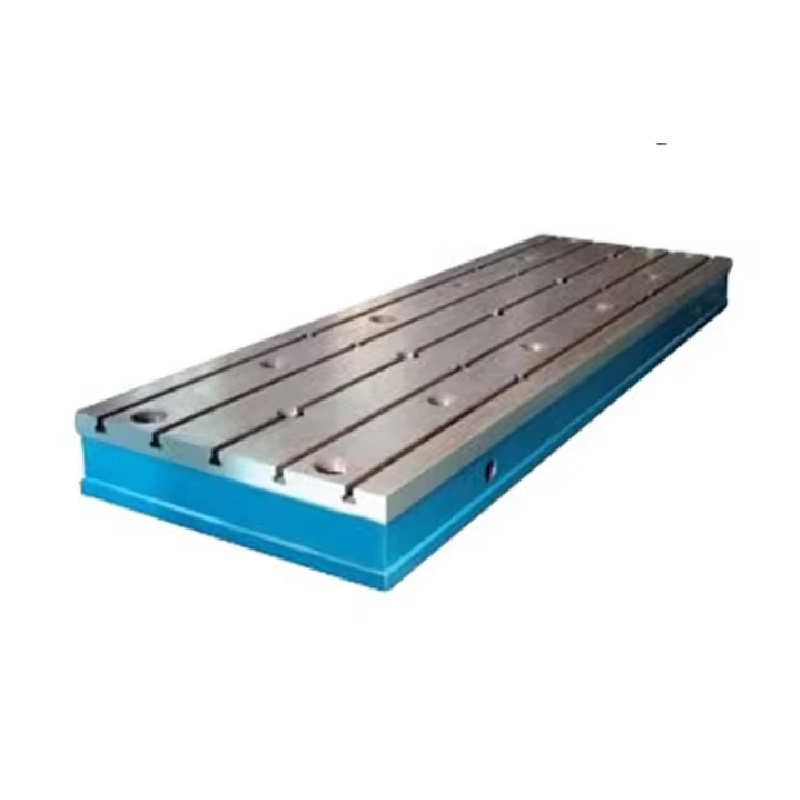
The Significance of T-Slot Cast Iron Surface Plates in Precision Engineering T-slot cast iron surface plates play a pivotal role in precision engineering and manufacturing, serving as essential tools for various applications such as machining, inspection, and assembly. These plates are designed to provide a flat, stable surface that ensures accuracy and consistency in measurements and operations. The use of cast iron as the material of choice offers several advantages, making T-slot plates invaluable in industrial environments. Composition and Properties Cast iron is an alloy of iron that contains varying amounts of carbon, silicon, and other elements. The most commonly used type for T-slot surface plates is grey cast iron due to its excellent damping properties, durability, and resistance to wear. The casting process allows for intricate designs, leading to a strong and rigid structure capable of withstanding heavy loads without deforming. Additionally, cast iron has a natural ability to absorb vibrations, which is crucial when performing precision measurements, as it minimizes errors caused by external disturbances. Design and Functionality T-slot surface plates are characterized by their T-shaped slots, which run parallel to each other and are integrated into the plate’s surface. These slots facilitate the secure attachment of various fixtures and equipment, allowing users to position items accurately during inspection or assembly processes. The flexibility offered by T-slots enables engineers and technicians to customize setups according to specific project requirements, enhancing efficiency and productivity. The flatness of the surface plate is crucial. High-quality T-slot cast iron surface plates are manufactured to meet exacting standards of flatness, typically within a few thousandths of an inch. This precision ensures that the components laid upon the plate can be measured and machined accurately, which is essential for maintaining quality control in manufacturing processes. t slot cast iron surface plate Applications in Industry The applications of T-slot cast iron surface plates span multiple industries, including automotive, aerospace, and electronics. In machining shops, they serve as the foundation for aligning components and performing measurements, ensuring that parts are machined to their correct specifications. During quality control inspections, surface plates provide a reliable reference point for gauging the dimensional accuracy of finished products. Moreover, T-slot surface plates are employed in the assembly of complex machinery and equipment, where precision alignment is vital. They provide operators with a stable and consistent surface to work on, reducing the likelihood of errors that could lead to costly rework or defects in the final product. Maintenance and Care To ensure the longevity and continued accuracy of T-slot cast iron surface plates, proper maintenance is essential. Users should clean the plates regularly to remove debris and contaminants that could affect measurements. Additionally, it is advisable to periodically check the flatness of the surface using precision measuring tools, making any necessary adjustments or repairs to maintain optimal performance. Conclusion In conclusion, T-slot cast iron surface plates are indispensable tools in the realm of precision engineering. Their robust construction, combined with the versatility of T-slots, allows for a wide range of applications that enhance accuracy in machining and assembly. By investing in high-quality surface plates and adhering to maintenance best practices, industries can ensure superior quality and performance in their manufacturing processes, thereby driving innovation and efficiency.
about
bathroom toughened glass price
Rebar stands for concrete reinforcement bar, also known as reinforcing steel or reinforcement steel. It plays a crucial role in the construction industry, providing strength and stability to concrete structures. The use of rebar in concrete construction has been essential for centuries, dating back to ancient civilizations such as the Romans who built impressive structures like the Pantheon with the help of reinforced concrete. Rebar is typically made of steel and comes in various shapes and sizes depending on the specific requirements of the construction project. It is designed to withstand tension forces in concrete, preventing cracks and ensuring the durability of the structure. Without rebar, concrete would be prone to cracking and collapsing under pressure, making it unsuitable for many construction applications. In a typical construction project, rebar is placed within the concrete formwork before the concrete is poured. The rebar grid is carefully designed and positioned to provide the necessary structural support for the concrete. Once the concrete is cured, the rebar becomes embedded within the concrete, forming a strong bond that enhances the overall strength and integrity of the structure. The use of rebar allows for the construction of larger and more complex structures that would not be possible with plain concrete alone. Skyscrapers, bridges, dams, and highways are just a few examples of the types of structures that rely on rebar for stability and longevity. The versatility of rebar makes it an essential component in a wide range of construction projects, from residential buildings to industrial facilities The versatility of rebar makes it an essential component in a wide range of construction projects, from residential buildings to industrial facilities The versatility of rebar makes it an essential component in a wide range of construction projects, from residential buildings to industrial facilities The versatility of rebar makes it an essential component in a wide range of construction projects, from residential buildings to industrial facilities rebar stands for concrete . In addition to providing structural support, rebar also helps to minimize the environmental impact of construction projects. By reinforcing concrete with steel, builders can reduce the amount of material needed for a given structure, resulting in less waste and a more sustainable construction process. Rebar can also be recycled and reused, further reducing the carbon footprint of construction projects. As technology advances, new types of rebar are being developed to meet the evolving needs of the construction industry. Fiberglass rebar, for example, offers a lightweight and corrosion-resistant alternative to traditional steel rebar. Carbon fiber rebar is another innovative option that provides high strength and durability while also being lightweight and non-corrosive. In conclusion, rebar stands for concrete reinforcement bar and plays a critical role in the construction industry. By providing strength, stability, and durability to concrete structures, rebar enables the construction of safe and reliable buildings and infrastructure. As construction practices continue to evolve, rebar will remain an essential component in the development of sustainable and resilient structures for the future.
-

High quality industrial productsagement

High quality industrial products
View Details -

Meet the diverse needs of customers

Meet the diverse needs of customers
View Details -

Strict quality control

Strict quality control
View Details -

Top raw materials

Top raw materials
View Details -

Trusted supplier

Trusted supplier
View Details
Our application



news and information
Versatile 48% Butterfly Valve for Enhanced Flow Control in Various Applications
Understanding the 48% Butterfly Valve A Key Component in Modern Flow Control When it comes to flow c
Water Cut Off Valve - Comprehensive Guide and Best Practices
Understanding Water Cut-Off Valves Their Importance and Functionality Water cut-off valves are essen
water valve shutoff
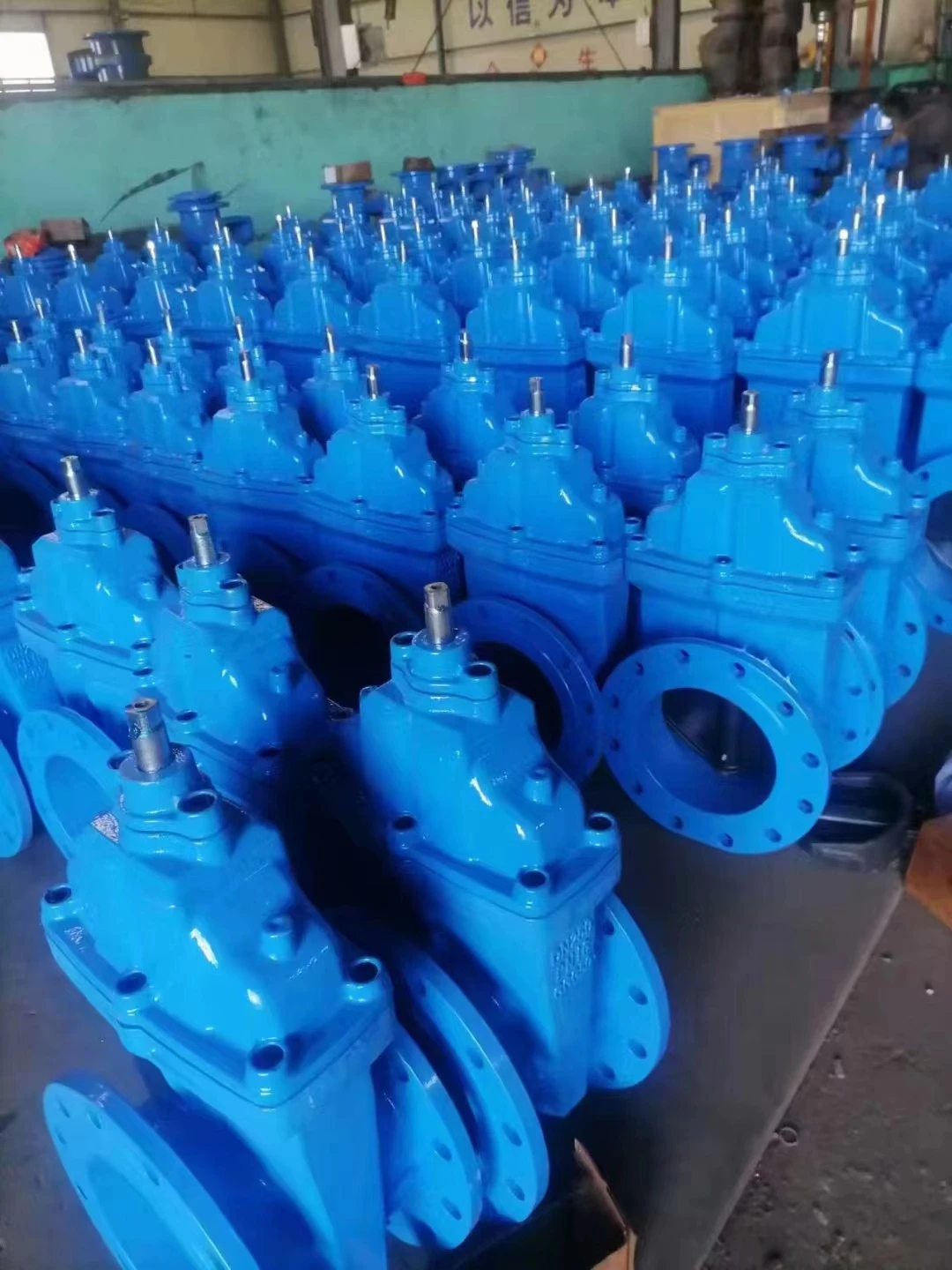
Navigating the realm of home maintenance and plumbing systems can often be a daunting task for homeo
 English